If you spent years branding your name without filing for a trademark, you can still protect your brand with a federal injunction under the Anti-Cybersquatting Consumer Protection Act (“ACPA”), according to New York attorney Susan Chana Lask.
She filed a federal complaint using the Anti-Cybersquatting law and won a permanent injunction to protect her brand after someone hijacked her name and registered it to a dot com using an anonymous domain registrar called NameCheap. They also parked the domain with her name on a pay for click page and had her name up for auction.
“The injunction I obtained established that my name is my common law trademark and directed NameCheap to transfer to me the domain they registered using my name. It also prohibits anyone from infringing on my name again,” she said. Ms. Lask has written a helpful, detailed blog post with what you need to know to do the same.
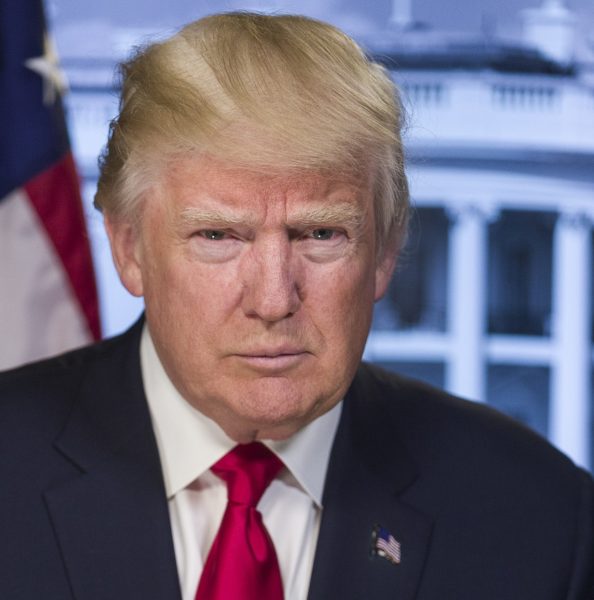
CNN broke a story yesterday showing a rare inside look at the steps public figures take to protect their reputations from defamation on the Internet. Since 1997, according to the network, President Trump’s team has purchased 3,643 website domain names with variations of the word “Trump.”
That is a classic online reputation management strategy to protect one’s name from the attacks and extortion attempts that come with being a public figure. Celebrities and high-net wealth individuals have been snapping up website domains utilizing their names for years. They cost $12 each at Google Domains, which is half the cost charged by other providers. If you do buy one (or thousands), select the private registration option. That will shield your identity from the public and make it harder for CNN to find your stash should you become President. And certainly, anyone planning a role in politics should follow President Trump’s playbook before they take a single step toward launching a campaign.
In 2014, we wrote about a cybersquatting lawsuit Donald Trump won against a man who developed four parody websites using his name. The sites published anonymous “commentary, often disparaging, on Trump and his television shows,” according to CNN.
Such practices have proliferated on the Internet for years,” we wrote. “Facebook, Twitter and other social media platforms are also used for cybersquatting. Celebrities and other public figures are a common focus of such sites. So are CEOs and other high-profile executives.
“Many “domainers,” as the instigators are known, purchase unsecured domain names with the intent of charging high fees to sell them back to their victims. Creating parody sites can be a ploy to force them to do so faster. Victims often feel they have little recourse over the situation or don’t want to take legal action that would attract publicity.
“Trump’s attorneys used the Anticybersquatting Consumer Protection Act as the basis of their suit, which was filed in March 2013. (The sites were created in 2007.) The law permits damages of up to $100,000 for each unauthorized domain. In this instance, the court ruled that the domainer must pay $32,000 in damages.”
Reputation Communications publishes You(Online) to help educate CEOs, C-Suite executives, rising stars and high net worth individuals about online reputation management.
Reputation Reboot addresses real-life online reputation management (ORM) challenges faced by CEOs, executives, VIPs and their organizations. Unless they are public figures, their names and related descriptions of all individuals and companies discussed are changed to protect their privacy. For a quick look at the types of situations facing many professionals, scroll down and check out the headlines.
Online reputation management enables you to take more ownership over what appears about you on the Internet.
Without it, the world controls how you look online.
Here are ten examples of the ways online reputation management is used by individuals, companies and organizations.
To ensure up-to-date and accurate information dominates search results for an organization or individual’s name.
To ensure that factual, credible reference material is readily available online.
That reduces the chance that fraudulent information will impact a brand.
To remove unwanted or inappropriate information, photographs or other content from the first few pages of Google search results.
To monitor social media and online forums for red flags signaling potential on- and offline threats against high-profile individuals and their organizations.
To create a strong online presence about a topic.
That presence acts as a barrier against potential distortions from third-party content, including anonymous and defamatory material. Without it, such items can go straight to the top of searches – and stay.
To ensure that your story is told by you and not by former partners or other potentially biased parties.
To establish a reputation within your area of expertise on multiple online platforms.
To create an online legacy for a VIP who is preparing for retirement or to exit an organization.