
All posts by Shannon M. Wilkinson

About Shannon M. Wilkinson

Shannon Wilkinson is the founder and CEO of Reputation Communications.

Felony extortion charges were recently filed in Dallas against a man who purported to provide online reputation management (ORM) services, but threatened to undermine a client’s reputation as a way of demanding payment. It isn’t the first such incident. The episode highlights the unregulated nature of this industry, and some of its dangers. While protecting and managing one’s online reputation is becoming increasingly vital for businesses and individuals, it’s necessary to proceed with caution and discretion when seeking help. Read more

The Dark Side

In her 2013 Forbes.com post “The Dark Side Of Reputation Management: How It Affects Your Business,” Snapp Conner PR’s Cheryl Conner warned of “mugshot extortionists,” which NPR has also investigated, and other questionable and sometimes unlawful practices. In June 2013, Graeme Woods’ investigative article, Scrubbed: The World of Black-Ops Reputation Management, was published in New York Magazine.

Some companies offer to remove explicit photos or phony reviews from websites like Google Places, Yelp and Angie’s List—a promise that is often impossible to keep. Even Yelp itself has faced (unverified) accusations that it “filters out positive reviews and allows negative ones through, particularly if the restaurant in question has refused to purchase advertising,” according to Eater.com.

How to Avoid Such Practices

How to avoid such deceptive practices?  Be sure to focus on trusted and verified sources when researching a firm with a specialization in online reputation management. We offer helpful advice in, How to Hire the Right Online Reputation Management Firm.

I encourage consumers to check the provider’s online information to see if they address your specific goals and are experienced in servicing your sector. Evaluate whether they specialize in a niche – including your area – or are generalists. Understand what ORM is and whether the goals you want addressed are possible – or can be guaranteed. If not, make sure you know what to expect.

Be Wary of Guarantees to Remove Content

“If an ORM company contacts you directly offering to delete or eliminate a bad review or demote the review for $X dollars, don’t take them up on the offer,” advises interactive media agency Small Screen Producer. It is very unlikely they can make such content simply disappear.  Instead, ORM firms focus on reducing the impact that negative or misleading information from third parties will have on your online image. Such strategies can include moving down unwanted content onto lower pages. But it can return to prominence within weeks if continuous maintence is not applied.

In a world of waning industries, online reputation management is booming. So are consumer misunderstandings about what the practice entails and what results you can expect.

Related reading:

Your Online Reputation Checklist: Evaluating Your Internet Image

The Many Uses of Online Reputation Management: A Partial List

The Essentials: Online Reputation Management FAQs


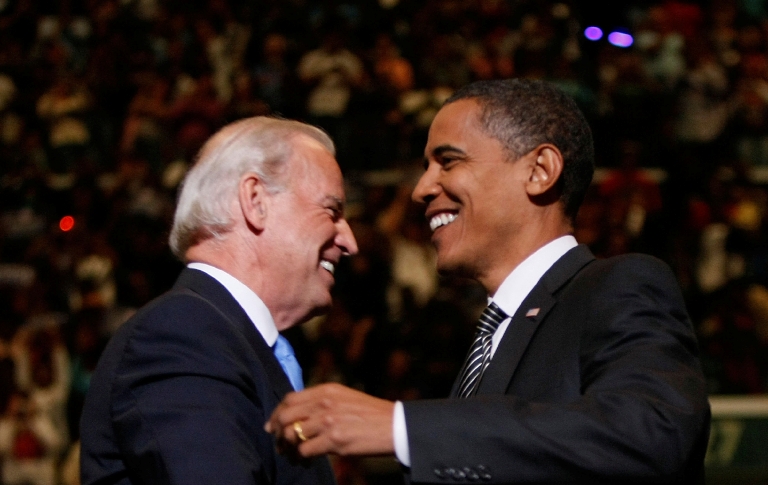
Joe Biden with President Obama

Vice-President Joe Biden has joined Instagram, the photo and video sharing service with over 100 million users. His first photo, shown below, won high praise from the media.


Now, 24 hours later, he has over 50,000 followers. In addition to sharing his photographs, they are amplifying his presence by discussing him online (and off). Sample comments posted on his Instagram page include:

the vice-president’s first picture is epic

Love the Ray-Ban aviators, sir!

Cool VP

Biden’s stepped-up social media presence indicates the first of many strategic moves to come from the Democratic Party as they prepare for 2016.


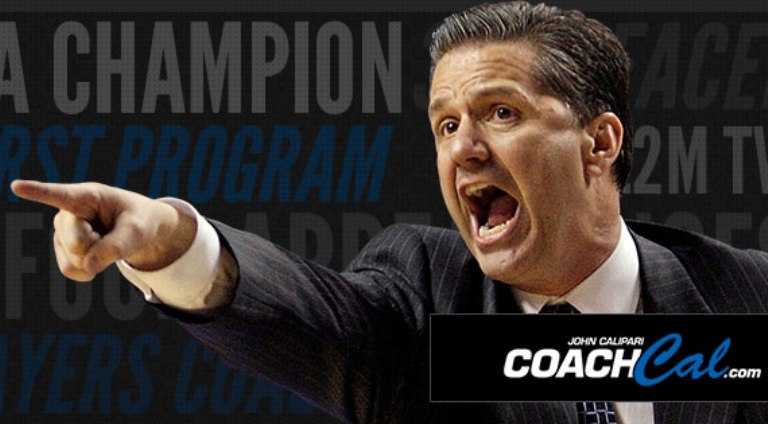
Last February, University of Kentucky basketball coach John Calipari offered some advice for college athletes:

“Twitter is an opportunity. Facebook is an opportunity. To say what you feel. To try to pick people up. To try to be positive. To try to add something to society. To let people see you transparently. You cannot be defined if you’re on social media by someone else. You will define who you are, and if you’re negative, that’s your fault. But here is who you are. If you are negative, it will come through. Five years of being on twitter and facebook, are you gonna lie for five years? You are who you are. But we’re trying to tell those kids, you build your brand or you break your brand down. You are who you are through social media.”

A Master at Online Reputation Management

With NCAA violations blemishing his past success at UMass and Memphis, and critics accusing him of exploiting the NBA’s “one-and-done” rule to win his first national title in 2012 and lead the Wildcats to this year’s final, Calipari has certainly had his share of controversy. Through that, it’s been clear that he is shrewd and effective at managing his online reputation.

Since joining Twitter in 2009 (right around when he took over at Kentucky), Calipari has averaged 4.6 tweets per day, according to his account’s statistics on Socialbakers. “I give out information, I’m transparent to our fans,” he explained on ESPN Radio’s Mike and Mike. “I tell them how I’m feeling.” He gets help from CoachCal.com editor Eric Lindsey, who “oversees Coach Calipari’s social media platforms.”

Adept at Using Social Media to Build His Brand

Such candor has helped earn Calipari praise as “NCAA’s last honest man,” but it’s not the only aspect of online reputation management that he’s been adept at harnessing. He also recognizes how celebrity can bolster his brand and recruiting power, as he demonstrated while attending his friend Jay-Z’s concert at Barclay’s Center in 2012. “Calipari didn’t hesitate when it came to letting his 1.2 million Twitter followers know about his backstage pass to the concert, tweeting out this picture of himself in front of the stage,” Rob Dauster observed in a Sports Illustrated piece.

Even Calipari’s comments about social media above seem to be part of “selling his program,” as Dauster points out in a recent NBC Sports article. Calipari understands that the premier young players that are key to Kentucky’s success view social media not as a “waste of time,” as Pitino argued, but as a normal part of everyday life—and something they’ll need to know when they make it to the NBA.


Mozilla’s CEO has stepped down after becoming a topic of hot debate – debate all companies can learn from. The facts:

  • Mozilla’s stated mission is “to promote openness, innovation and opportunity on the Web.” The company is the world’s leading provider of free and open-source software, including one of the top Internet browsers and a widely praised email client with an extensive array of privacy add-ons.
  • In 2014 Mozilla appointed a CEO who is the creator of the JavaScript scripting language and a cofounder of Mozilla. But they also knew that he is an opponent of gay marriage— a record of his 2008 contribution to an anti-gay marriage bill in California is publicly available.

What were Mozilla’s mistakes?

Mozilla failed to recognize that as a company that is considered a leading proponent of online freedom, appointing a leader with such a personal view could be widely viewed as an inappropriate representation of their culture.

They didn’t forsee how they could become a topic of discussion by a public that becomes vocal online when they believe an inequitable or inappropriate decision has been made by a company in a leadership position.  Mozilla also didn’t envision how the issue might be embraced by activists who could ignite or fuel the fire.

Mozilla Has Plenty of Company

Many companies have found themselves in similar positions when they don’t consider and prepare for reactions to their decisions. That includes recognizing the growing role online discussion has taken in influencing whether such decisions will succeed. Such examples include:

  • Advertising firms that produce multimillion-dollar campaigns without researching the social media platform of the celebrity that was hired as the spokesperson…realizing only after launch that content published in his or her tweets are incompatible with their client’s brand.
  • Major government organizations that appoint a business leader to a prominent role, and have to backtrack when the public finds the match inappropriate because of the executive’s views. (Or vice-versa.)
  • CEOs that are chastised by consumers and employees who find their public treatment of staff inappropriate (and launch a viral campaign to say so).
  • Celebrities who don’t understand how their behavior alienates their audiences.

In a Multi-Cultural World, Everyone Has a Point of View

There are companies that would find an anti-gay marriage viewpoint reflective of their culture and that of their customers.  Certainly many Mozilla contributors and users support that view: it has an enormous, international audience with differing cultural, gender and religious beliefs.

But Mozilla has received significant support from the progressive community. Such advocates can quickly turn into detractors when an organization makes a decision that appears to conflict with its principles.

Mozilla has responded quickly and transparently to this controversy. The Mozilla Blog published this FAQ which was preceded by this statement about their CEO’s departure.

Online Reputation Management Still an Area of Trial and Error

Online reputation management is still an area of trial and error for most everyone. When a mistake is made, the public generally remains open minded if a company addresses that mistake, allowing it the opportunity to move forward on an improved path of awareness.

Nonetheless, issues are better handled proactively than reactively. Organizations and their boards should consider the following when deliberating on high-level hires and major or potentially controversial decisions:

  • Conduct an online audit of the topic to weigh public and private views, strengths and weaknesses.

Such due diligence is not about ferreting out what is right or wrong, but whether the decision is appropriate for the culture of the organization in the Internet era.


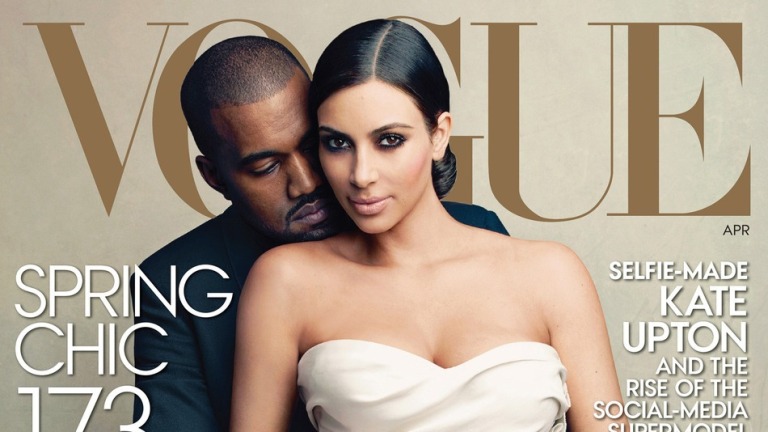
There’s been a lot of talk about Vogue’s choice to feature Kim Kardashian and Kanye West on its April cover, but Christina Binkley’s piece for the Wall Street Journal’s Speakeasy blog zeroes in on an important point:

Kim has 20.3 million Twitter followers, to Kanye’s 10.3 million. Vogue has a mere 3.63 million followers, so the magazine has everything to gain from this association, in a publishing world that is increasingly focused on social media.

Kim and Kanye landing a Vogue cover demonstrates how building and maintaining social media followers has emerged as a type of equity.

Cover Sparked Heated Debate

This isn’t anything new for Kim, who can make five figures from a single sponsored tweet, but it’s understandable that Anna Wintour’s decision has sparked heated debate. “Arguments reverberating around the Internet over the last few days have largely focused on this central question: Does Kim Kardashian deserve to be on the cover of Vogue?” observes the Washington Post’s Cara Kelly. Sarah Michelle Gellar and others appear concerned that Vogue is compromising its standards. But more likely those standards are just evolving.

Wintour explained her decision by invoking the magazine’s history of highlighting “those who define the culture at any given moment.” And social media now plays a significant role in culture. Perhaps Vogue’s choice of Kim and Kanye is a signal of the magazine’s adjustment to that significance—“evidence of a shift in target audience toward younger, more socially connected readers,” as Adweek puts it.


General Motors is using social media to manage customer complaints and its reputation — and using it well.  How they are applying social media management is a good case study for other companies in crisis.  (The Detroit auto manufacturer has recalled 1.6 million cars and faces roiling legal issues after top management hid defects that caused deaths for 10 years or longer.)

Key examples from a New York Times article by Vindu Goel include:

–    GM’s Facebook page.  In addition to hosting GM-produced content, it is also an open forum where customers can post comments and complaints. GM staffers are engaging them in real time with assistance and responses.

–   @GM on Twitter. Frustrated customers who have spent an hour or more on the phone with GM customer service representatives have turned to Twitter to seek help – and found it in minutes.

“G.M. has a team of about 20 people based in Detroit that manages its social media presence — including monitoring about 100 independent auto forums — and responds to inquiries and complaints seven days a week,” reports Goel.

In addition to managing the crisis using traditional methods – including letters to car owners – GM created a video with CEO Mary Barra to keep customers and employees abreast of how the company is managing the situation.

As more companies use social media to better manage customer relations, they can learn from GM’s example.


CEOs and Online Reputation Risks

“It seems that just about every day a chief executive, politician or other prominent figure is apologizing for something,” Aaron Sorkin observed in a Dealbook post announcing his new “Apology Watch” coverage and hashtag, which we mentioned a couple weeks ago. This “personal and public exploration of the authentic apology,” as Sorkin’s collaborator Dov Seidman describes it, will be a fascinating project to follow. They’ve decided to focus on the “apologizing,” but that’s only half of the equation. The other half is the “something” that made an apology necessary.

Behind the stream of apologies that Sorkin references are statements and actions that expose some CEOs and other leaders as out of touch with the opinions—and feelings—of the people their companies target as consumers. Tweeting about venture capitalist Tom Perkins’ much-criticized Wall Street Journal letter, economist Justin Wolfers describes this problem as the “rich-dude bubble.”

Perkins, a Silicon Valley pioneer who commissioned the world’s largest private sailing yacht and authored a romance novel titled Sex and the Single Zillionaire, has continued to defend his letter, but that’s a perilous position for many other leaders.

The human element

Take AOL CEO Tim Armstrong, for example. In linking changes in AOL’s 401(k) plan to the health care costs of “two AOL-ers that had distressed babies,” Armstrong focused on the bottom line while overlooking the important human element, which was later described in detail by Deanna Fei, one of the babies’ mothers. And last year Armstrong faced extensive criticism for firing an employee during a conference call while around 1,000 others listened. Sorkin’s “Apology Watch” analysis found the CEO’s most recent apology to be sincere. His article’s concluded with a quote from Fei. “I think it’s legitimate and necessary to have a public discussion about health care expenditures, but this has to be done with sensitivity and mindfulness of the human lives at stake,” she said.

Echoing Sorkin, Bloomberg.com’s Jeff Green says Armstrong “is on a long list of corporate bosses who put their trust in an apology to contain fallout from an embarrassing public statement.” Green offers a list of similarly problematic episodes. They included AIG CEO Robert Menmosche “equating congressional criticism of the insurer’s bonuses during the financial crisis with lynchings in the Deep South.”And Google’s Eric Schmidt, who suggested “that people who worried Google Street view was invading their privacy by taking pictures of their homes should ‘just move.’” Fortune’s Claire Zillman observes that business executives seem to be replacing politicians as “the ones who seem to be truly disconnected from everyday Americans,” citing astronomical executive pay and how wealth can distort one’s outlook as the likely cause.

Fallout

“If the CEO is getting mostly negative publicity, it is very hard to get positive coverage on the organization as a whole,” according to a study by the Institute for Public Relations. Given that connection, today’s CEOs may be well advised to cultivate an outlook that addresses the values and concerns of the broader public. In stark contrast to Tom Perkins, for instance, venture capitalist and early Amazon investor Nick Hanauer has advocated for raising the minimum wage. And, in Zillman’s Fortune article, Harry Kraemer, clinical professor of management and strategy at Northwestern University’s Kellogg School of Management, offers some practical advice for staying grounded: “You better have a few people—a spouse, best friend, or sibling—who won’t let you forget who you really are and where you came from.”


If you scroll through this blog’s archives, you’ll find many different examples of how being authentic is central to successful online reputation management. But there are few better examples of the value of authenticity than Gary Vaynerchuk.

If you’ve read David Segal’s recent New York Times piece—or any of the countless other profiles on Vaynerchuk —you know the remarkable story of his rise from the savvy social media manager/über marketer for a New Jersey wine retailer to one of the top branding and social media thought leaders. In today’s climate, where building a personal brand has become an almost universal concern, we can all benefit by looking at the strategies and tools that have fueled his success. Loud, brash and profane, Vaynerchuk’s personality doesn’t appeal to everyone. But he doesn’t try to.

Uncompromising authenticity has been at the heart of his approach since his breakout video blog, Wine Library TV, which Segal describes as “Mr. Vaynerchuk sitting at a table in his office, demystifying chardonnays, rieslings and other wines by describing them in terms that any mook could understand.” The blog not only presents Vaynerchuk as an unvarnished, passionate and accessible wine enthusiast, but also demonstrates his shrewd understanding of his medium. “My high quality content definitely factored in, but that might not have mattered had I not also made native content—authentic content perfectly crafted for that particular new platform, YouTube,” he reflects.

Early Adopter of Twitter

As an early adopter of Twitter, Vaynerchuk has harnessed it with a similar combination of candidness and insight. “It was the platform that came most naturally to me, because it was perfectly suited for small bursts of quick­fire conversation and idea exchanges,” he writes in his latest book, Jab, Jab, Jab, Right Hook: How to Tell Your Story in a Noisy Social World. Vaynerchuk understands that the platform is about more than just “microblogging.” It’s about engaging directly—or, as he puts it, “creating context.”

“Twitter is the cocktail party of the Internet—a place where listening well has tremendous benefits,” he observes in Jab, Jab, Jab, Right Hook. And listen he does. “About 90 percent of Mr. Vaynerchuk’s tweets are direct replies to people who have written to or about him,” Segal points out in the Times. “I always say that our success wasn’t due to my hundreds of online videos about wine that went viral,” Vaynerchuk wrote in an Entrepreneur article, “but to the hours I spent talking to people online afterward, making connections and building relationships,”

Content Is King

Vaynerchuk also emphasizes the importance of creating content. A recent Forbes article went so far as to call it “the cost of entry to relevance in today’s society” and encouraged people to create as much as possible. “It literally doesn’t matter what you do, if you’re not producing content, you basically don’t exist,” he has declared. Vaynerchuk’s characteristic hyperbole aside, this argument has resonance when it comes to online reputation management.

If you don’t publish content that provides accurate and appropriate information about yourself, your company, area of expertise or organization, you are not just losing an opportunity to build your brand—you are endangering it, essentially relinquishing control of your online image anyone else who decides to post content about you. Bringing together engagement and authenticity as well as content and context, Vaynerchuk’s approach highlights some valuable tools and strategies for managing one’s reputation online. G.E.’s Linda Boff may sum it up best. “When I think about Gary, I think about scrappiness before anything else,” she tells Segal in his Times piece. “He lives his own life out loud.”