
Tag Archives: Twitter

CDA 230

This is republished with the permission of Interfor International. Its president, Don Aviv, is a Reputation Communications Advisory Board member.

Reputation management for entities is particularly relevant these days as the whole world watches the Twitter saga unfolding.

With the social media giant in freefall and its new boss Elon Musk pushing his own inscrutable agenda, the question of how organizations can effectively manage reputations during times of change or crisis should be front of mind for the leadership of any organization paying attention.

Since Musk took the reins of the social media giant, Twitter has faced major challenges such as users and advertisers fleeing the platform and senior employees jumping ship. The mass layoffs the company has endured and the media circus accompanying every action has exacerbated the hit to Twitter’s brand.

The situation could become more volatile.

It is still not clear what Musk’s vision for success with Twitter is, and there are plenty of reasons to be skeptical of his ability to dig himself out of the deep hole he has dug himself, despite the success of Tesla and Space X.

Perhaps this is a case in which we can examine how an organization can learn how to manage its reputation in the public eye… and come out even stronger.

The current imbroglio that Twitter finds itself in is an extreme situation where the world’s richest man has acquired the world’s public square and the result is a stunning explosion of brand value. But observant companies can still learn valuable lessons from this fiasco about how to manage their reputation in the public eye, and even come through stronger when faced with significant challenges.

What it is, and why it matters

Reputation management is often defined as the practice of influencing stakeholder perceptions and public conversations about an organization and its brands. It includes monitoring perceptions and conversations, responding to reputation threats and proactively seizing opportunities to boost reputation.

Reputation management is more challenging for an organization with many moving parts, as opposed to individuals or small businesses which can monitor reputations online by tracking news, reviews, and social media. 

A larger organization, especially a publicly traded company, must manage expectations of shareholders and multiple partners, so reputation management becomes complex. But there are steps organizations can take to put their best foot forward online, in the media, and to their customers.

What can organizations do to protect their reputations?

Companies can take several steps to manage their reputation on an organizational level. A positive reputation can take years to build and a few minutes to ruin. There is always the risk that one misinterpreted tweet or post can cause a maelstrom on social media, so it is best to consider the following actions, all of which can be done preemptively.

– Be as transparent as possible in communications and with your audience.

Of value today in an organization is the ability to be transparent and own a mistake. Brands are as fallible as people, and as creators and influencers continue to be the face of organizations, brands will continue to strive to be perceived as relatable. This is especially true for Gen Z, who grew up on screens and understand which brands are authentic.

-Be diverse, but really embrace diversity

A lot of lip service surrounds diversity these days, with limited real action often taken in organizations. The best way to change is to promote diversity in your organization (including diversity of thought). Work to build diverse teams and share with your community what you’re doing, particularly the wins of team members.

-Be good to your employees

As we’re seeing with Twitter, Musk’s behavior and communication style is driving many employees away. His direct and abrasive style is self-selecting for employees who value his style of management, but the optics (as covered in the media) are not great. In general, people do talk, so being good to your employees will help generate good will.

These are three important points for reputation management on an organization level, but attention must also be paid to your online presence. In Twitter’s case, this is less relevant as they are a social media company. But most companies have a robust digital footprint which needs to be monitored. 

Steps for a better online presence:

-Prepare a digital strategy

As the saying goes, “failing to plan, means planning to fail,” so having some kind of plan is key. The online world is dynamic, but the good news is you can gauge feedback immediately and understand trends with easily accessible analytics. 

-Make your website (and social media) the authority

There is often an educational component to the service or product you market. With so much noise online and everyone jockeying to be an “expert,” building a presence with authority and developing content such as testimonials, data, and media links will help you stand out. The more authority you have online and the more transparent your communication, the better your reputation will be.       

-Have conversations with your customers

Your customers are your lifeblood and engaging with them (and the comments they post) can help spot challenges which may arise. Taking that extra step is also key in building brand loyalty with your community.

Related reading: The Essentials: Online Reputation Management FAQs

 
 
CDA 230

We rarely write about politics.

But President Trump’s attack on the legal loophole that allows online hate speech – Communications Decency Act, Section 230 — caught our attention. In short, he wants to do away with it.

We often lament the presence of the CDA 230, as it is known. In my recent article on Medium, I explain why:

On the internet, any of us can be impersonated, harassed or the focus of “fake news.” It persists because of the Communications Decency Act Section 230, a law that protects the platforms that publish such information — publishers like Google, Facebook, Twitter and millions of blogs, forums, and websites — against liability for third-party content on their websites.

We have helped many clients who have been adversely affected by the type of harassment the CDA 230 permits. So, we have been following this story with much interest. Why would President Trump want to remove that law? One reason: Twitter has been moderating his tweets and flagging content it considers questionable.

The New York Times described his intent:

The executive order that Mr. Trump signed on Thursday seeks to strip liability protection in certain cases for companies like Twitter, Google, and Facebook for the content on their sites, meaning they could face legal jeopardy if they allowed false and defamatory posts.

In another article, Times reporter Daisuke Wakabayashi explained how the CDA 230 works:

…Section 230 shields websites from liability for content created by their users. It permits internet companies to moderate their sites without being on the hook legally for everything they host.

Section 230 has allowed the modern internet to flourish. Sites can moderate content — set their own rules for what is and what is not allowed — without being liable for everything posted by visitors.

…Websites trading in revenge pornography, hate speech or personal information to harass people online receive the same immunity as sites like Wikipedia.

This topic will be in the news for weeks to come. Legal experts think it is unlikely that the CDA 230 can be substantially changed by President Trump’s action.  Our hope, like others who support updating it, is that it can be done through appropriate legislative channels.

Related reading: Removing Content from Google in the U.S.


According to Variety,  “As soon as the New York Times story about Bill O’Reilly’s sexual harassment settlements hit on April 1, Color of Change began to mobilize.

The nonprofit African-American civil rights group sent an email blast to its 1.2 million members, calling on them to help ramp up a campaign to pressure advertisers to pull money out of Fox News’ “The O’Reilly Factor.”

The campaign was remarkably effective, hastening the withdrawals of more than 60 major advertisers from the top-rated hour in cable news.”

Clearly, social media is now the most powerful tool for activist groups to use on organizations whose behavior, they believe, merit boycotts.

In 2014 we experienced the power of hashtag activism: the response by activist group UltraViolet to the way the National Football League handled the Ray Rice domestic abuse scandal. In their criticism of the NFL’s actions, UltraViolet employed a telling combination of the online and off. During a recent game they hired an airplane to fly a banner over the stadium printed with the hashtag “#GoodellMustGo.”

With that banner, UltraViolet was able to very succinctly (and inexpensively) direct a tremendous number of viewers to an online community. They paired that effort with an online petition demanding that the NFL change its policies. Over 50,000 people signed it. And it worked.

As the Lululemon and other crises have shown, hashtag journalism can effect a change at the highest levels of corporate leadership.

How Corporate Leaders Can Navigate this Growing Movement

How can corporate leaders navigate this growing movement? Follow the conversations on social media as they continue to develop, including #hashtags on Twitter. Stay aware of the key issues concerning women. Those include employment opportunities, low minimum wages, the lack of women on boards and the glass ceiling so many face. If you’re a CEO, tuning in to these and related concerns will help you avoid becoming the focus of the next wave of hashtag protests (and nightly newscasts). It will also help ensure you avoid the type of online reputation crisis that can impact your brand as well as your company’s stock valuation.


Last week, Dynamic Network Services Inc., a web-technology provider, suffered a massive distributed denial-of-service (DDoS) attack that resulted in some of the top sites on the internet being disrupted, including Twitter, Netflix, PayPal and Spotify. An investigation is ongoing. The Wall Street Journals “Crisis of the Week” column asked experts to assess Dyn’s crisis communications response.

Shannon Wilkinson, our CEO, was one. Her take:

Dyn has embraced the most important quality in responding to most every crisis: transparency. It very quickly informed the public about the attack, including with a blog post from its chief strategic officer that conveyed its desire to clearly explain both the attack and its ramifications.

“Dyn communicated through real-time alerts on Twitter and through its ‘status site,’ a platform dedicated to informing the public about site maintenance and ‘any incidents in progress.’ If you were among the many perplexed consumers who couldn’t access their favorite sites on Oct. 21, you could Google ‘Internet down?’ and find Dyn’s messages– as I did–on its status site. For many of us, it was our first introduction to Dyn. And it was a reassuring one.

“The blog post from Dyn’s chief strategy officer, Kyle York, played a vital role. Rather than apologize for the inconveniences the outage may have caused, York focused on educating the American public about the seriousness of the attack and its complex, unsettling causes. In the process he recast Dyn as the protagonist in our collective war against hackers, even as frontline troops protecting liberty. Dyn gets five stars for its exemplary crisis communications.”

The Wall Street Journal’s Risk & Compliance section often reports on corporate crises. Its Crisis of the Week column is behind a paid firewall and comes out once weekly. If you are a communications professional and follow crisis management, it is well worth the cost to gain insight from the experts.

Related reading:

Rebuilding a Reputation: Volkswagen’s Long, Winding Road

Carnival’s Triumph Crisis Shows Value of Social Media

Toyota Case Study: A Strong Reputation Is Worth the Expense

LinkedIn Crisis Highlights Big Data Challenges


PR, buzz, gossip

Entertainment superstars Johnny Depp and Taylor Swift have been making more headlines than usual. Johnny Depp is going through an acrimonious divorce. Taylor Swift recently ended her relationship with DJ Calvin Harris. Amid a sea of headlines, both are managing their messaging well.

When the news of his divorce broke, Johnny Depp issued one statement:

Given the brevity of this marriage and the most recent and tragic loss of his mother, Johnny will not respond to any of the salacious false stories, gossip, misinformation and lies about his personal life. Hopefully the dissolution of this short marriage will be resolved quickly.”

As social media ignited with speculation about Taylor Swift’s breakup, Calvin Harris tweeted this statement:

The only truth here is that a relationship came to an end & what remains is a huge amount of love and respect.”

Taylor Swift retweeted it.  And that was that.

When celebrities face a crisis or escalated public interest in their lives, they are on the public stage. Anyone can play a role, whether by defending the celebrity or by escalating the crisis. Celebrities can’t control the conversation. But as Johnny Depp and Taylor Swift’s statements show, they can impact it.

The challenge to a successful career as a celebrity has long been attracting publicity while avoiding overexposure. Striking that balance has always required a nuanced strategy. In the old Hollywood studio system, every aspect of a star’s image was carefully orchestrated, including occasionally avoiding overexposure by pulling him or her out of the limelight for weeks, months, or even years. That is next to impossible now.

Constant online access

The Internet has presented many new opportunities, and challenges, for celebrities. It provides them with far more control over their messaging: they can publish statements and reach the public on their terms using their Facebook, Instagram and Twitter platforms. Beyonce has had tremendous success using that strategy. So has Rihanna. But with the opportunity for constant engagement it’s important to know where to draw the line. Not even the most popular star can maintain the public’s attention indefinitely.

Singers and other performers have more leeway in this area than movie or television stars, as new music, concerts, tours and other developments give them more relevant information to share with their audiences. Justin Bieber, for example, has built his career by sharing his music and life through social media. But he has also established more boundaries over how available he wants to be there.

Choosing the smart approach

When deciding to dial up or dial down your outreach, strategic monitoring of social media and mainstream discourse can provide data that, when analyzed, serves as a valuable management tool. During prolific periods of their careers, social media is an incredibly effective way for celebrities to harness and maintain their audience’s support. Between those peak exposure periods, celebrities can use them as less direct or invasive channels of communication. Philanthropy initiatives can also give stars new content to talk about and share online.

If you are a public figure aiming for longevity in your career and want to minimize the inevitable bumps along the way, following the messaging approach of stars like Beyonce, Johnny Depp and Taylor Swift will help you to succeed. Equally important is developing the right social media strategy. That includes deciding in part how much usage is too much, and which platforms work best at different times. And then, knowing when to step back.


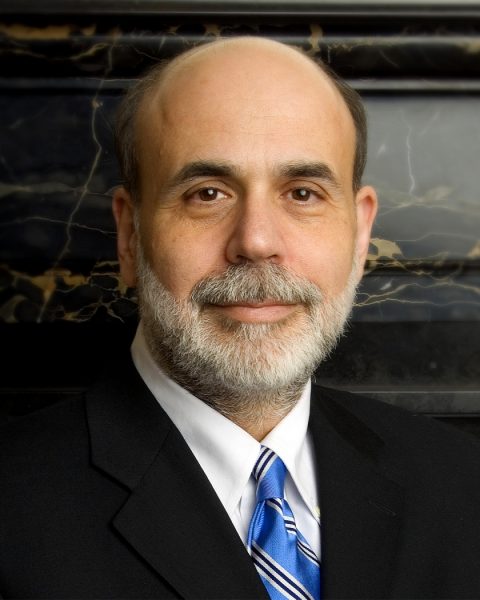
After leaving his post last year as Chairman of the Federal Reserve, Ben Bernanke joined the Brookings Institute and became a senior advisor to the hedge fund Citadel. He has also been blogging, something he was not able to do at the Fed.

As the June 15 issue of Fortune put it: “Newly christened econoblogger Ben Bernanke has been throwing some rhetorical punches on his Brookings Institution site,” including claims that Larry Summers pays  insufficient attention to global affairs and criticism of Elizabeth Warren’s call for limits on the Fed’s emergency lending powers.

So far, he has followed the mission he laid out in his first blog post in late March: “To comment on economic and financial issues without my words being put under the microscope by Fed watchers.”

Blogging is an effective brand builder for anyone, but it is especially well suited to Mr. Bernanke at this stage of his public life. His blog provides him with a 24/7 opportunity to weigh in on economic issues and gives him a forum to comment freely without the danger of being misquoted. It provides the media with a steady stream of sound bites as well as relevant reasons to interview him. It is also a strong tool for building an audience for his memoir, The Courage to Act:  A Memoir of a Crisis and its Aftermath, which is scheduled to come out in October.

Bernanke’s blogging frequency varies from three posts a week to one every couple of weeks. He tweets whenever a new blog is published (his tweet announcing the launch of his blog was retweeted 946 times). With 44,300 Twitter followers, he’s ahead of Larry Summers (who has 40,330) but behind Elizabeth Warren (who has 245,747).


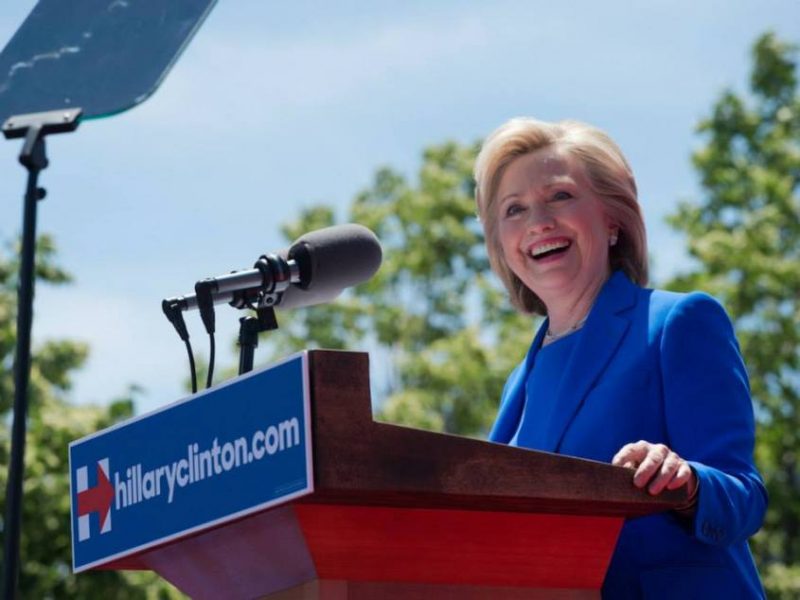
Social media is an important platform for 2016 Presidential candidates. Facebook, Twitter and Instagram matter because they are where 18-24 year olds are getting their news – and communicating with their friends. Women are big social media users, too. Getting them to the polls will impact who wins the election.

In Hillary’s Race For 2016: Turning Followers Into Votes, on Forbes.com, I examine which candidates are winning on social media. Here are five reasons why Hillary is in the lead:

1.She has the most control over her online image: if anyone enters a Google search for “Hillary Clinton,” much of the first two pages of results will be sites she manages. Her digital assets include:

2. Facebook. She has almost one million likes on Facebook, where women aged 18 to 29 are the majority of users.

3. Twitter. Hillary has almost 4 million followers on Twitter; Jeb Bush just over 250,000. 37% of female Internet users between the ages of 18-29 use Twitter.

4. Instagram. Instagram is the most popular social media platform for people in their 20s.

5. She has an Official Hillary 2016 Playlist on Spotify – a collection of upbeat, inspiring songs to accompany her campaign. They can be widely shared by followers on their Facebook and Twitter feeds.

This doesn’t mean the other candidates lack digital assets (Donald Trump’s substantial media footprint includes almost 2 million Facebook likes).  It just illustrates the importance of social media currency in the 2016 election…and elsewhere in politics.

This post includes excerpts from an essay first published by Forbes.com on June 22, 2015. That article has been shared over 14,000 times on Facebook.


Britt McHenry

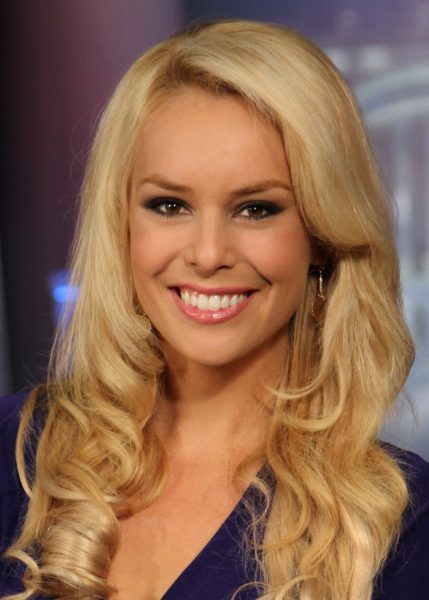
Sports reporter Britt McHenry was in the headlines last week after a video surfaced of her making harsh, verbally abusive comments to a tow truck company employee after her car had been towed away.

This week’s “Crisis of the Week” column in the Wall Street Journal sums up the incident well:

A video of the incident shows Ms. McHenry lashing into the employee, making fun of her appearance and education, and questioning her choice of employers. Ms. McHenry later apologized on Twitter, and ESPN responded by suspending Ms. McHenry for a week. Her comments to the tow-truck employee came days after she put a post on Facebook asking her followers to “take the high road and be nice to people.”

Discussion online and off continues about whether ESPN should have allowed her to return, and whether her apology was sufficient. Our take? Everyone makes mistakes. The best-intentioned of us have bad days (and even very bad days). Living with pressure is part of being in the public eye. Most public figures can recover from an incident such as this, but time—and Ms. McHenry’s thousands of fans—will decide how this rude tirade will impact her public image. That includes whether they want to continue watching her on ESPN.